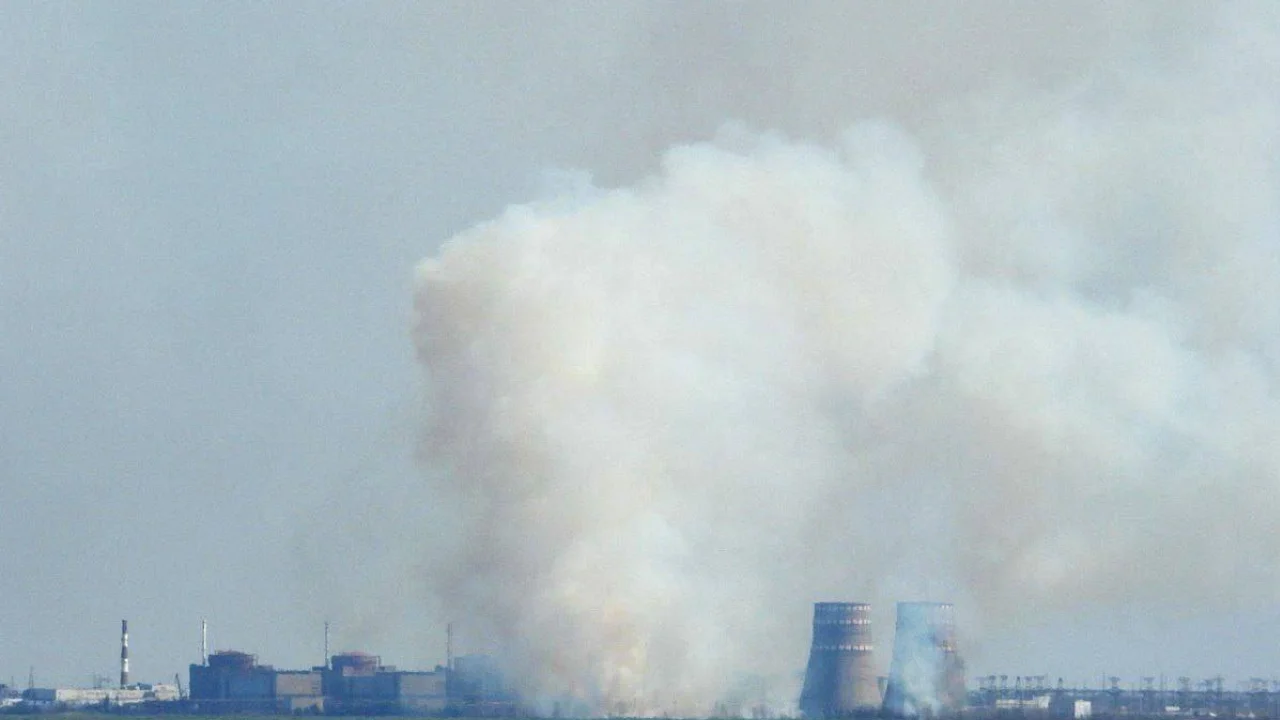
In late September 2026, the Ukraine Energy Crisis rose as Russian air strikes battered Ukraine’s power network once again.
High-speed jet drones and ballistic missiles slammed into key generation sites, leaving state-owned processing hubs in Poltava damaged beyond technical repair.
Within hours, Ukraine struck back, launching waves of long-range drones into Russian oil refineries over six hundred miles away.
The battle for Ukraine’s power grid directly hits everyday British household expenses. When Ukrainian strikes disrupt Russian refineries, global diesel supplies shrink, driving up wholesale fuel benchmarks and inflating delivery charges across the UK.
At the same time, the loss of over 70% of Ukraine’s thermal power generation means millions of families face the threat of freezing blackouts as winter temperatures plunge.
While political leaders in New York debate an elusive “energy truce,” the reality on the ground tells a very different story.
Below is an objective, ground-level assessment of the damage to Ukraine’s thermal power stations, the defensive race to save the winter grid, and how this escalating energy conflict affects global fuel markets.
Ukraine Energy Crisis 2026: What You Need to Know?
- The Damage: Recent Russian strikes using ballistic missiles and new jet-powered drones have destroyed key thermal facilities. In Poltava, state company Naftogaz confirmed an oil and gas site was damaged beyond repair.
- Winter Grid Deficit: Over 70 per cent of Ukraine’s pre-war thermal generation is damaged, destroyed, or under occupation. This leaves the national grid without flexible capacity during sub-zero cold snaps.
- Heating at Risk: Thermal plants do not just generate electricity; they also pipe hot water directly into municipal radiators across cities like Kyiv, Kharkiv, and Dnipro.
- Symmetric Economic War: Ukraine has responded with long-range drone barrages against Russian refineries in Moscow, Samara, and Ufa, driving up European diesel prices.
- Diplomacy vs Reality: While an “energy truce” was discussed on the sidelines of the UN General Assembly, attacks on physical power generation have intensified.
Why Does Ukraine’s Energy Crisis Matter to Britain and Europe?
As temperatures drop across Europe, the war in Ukraine has returned to its most brutal front: the civilian energy network.
Over the past week, Russian forces unleashed heavy waves of ballistic missiles and fast, jet-powered drones against Ukrainian power stations.
Meanwhile, Ukrainian forces launched retaliatory drone swarms targeting Russian oil refineries more than a thousand kilometres behind the border.
For observers in the UK and across Europe, this escalation is not a distant problem. When energy networks collapse in Eastern Europe, the shockwaves travel directly through global commodity markets.
Disruptions to diesel refineries push up transportation and freight costs in Britain, according to analysis from the International Energy Agency.
Furthermore, catastrophic power failures in major Ukrainian cities raise the prospect of a severe humanitarian emergency on Europe’s doorstep this winter.
According to reporting from CBC News, despite high-level discussions between world leaders regarding an energy ceasefire, the physical war on fuel and power infrastructure is escalating fast.
Here is an objective, ground-level assessment of the damage, the status of Ukraine’s winter grid, and the geopolitical battle for power.
What Is the True Condition of Ukraine’s Thermal Power Plants?
Ukraine relies on a mix of energy sources, but thermal power plants (TPPs) play a unique and irreplaceable role in national survival.
Nuclear power plants provide steady baseline power, but they cannot ramp up or down quickly. In contrast, thermal plants burning gas or coal provide “peaking power” to balance the grid during morning and evening surges.
Crucially, they also supply municipal district heating, keeping millions of high-rise flats warm when outdoor temperatures drop to minus fifteen degrees Celsius.
However, repeated strikes have devastated this infrastructure:
- Massive Generation Losses: Research by the International Energy Agency (IEA) confirms that more than 70 per cent of Ukraine’s thermal generation is currently offline, destroyed, or situated in occupied territory.
- DTEK Facilities Under Fire: DTEK, Ukraine’s largest private energy supplier, has seen its stations hit by repeated salvos. While engineers have restored some units, spare parts like large-scale turbines and specialised transformers take up to a year to procure from Western suppliers.
- Irreparable Infrastructure: State-run Naftogaz reported that five ballistic missiles struck a major processing facility in the Poltava region, leaving the installation permanently damaged and beyond technical recovery.
Ukraine’s Winter Grid Status: Pre-War vs 2026 Reality
| Grid Component | Pre-War Available Capacity | Current Operational Status | Winter Risk Profile |
| Nuclear Plants | ~14 Gigawatts (GW) | ~7.5 GW active (Zaporizhzhia occupied) | High (Relies on vulnerable substations) |
| Thermal Power (TPPs) | ~18 GW capacity | Under 4 GW operational | Critical (Deficit during peak hours) |
| Hydropower Stations | ~6 GW capacity | Partially offline from dam strikes | Medium (Vulnerable to reservoir damage) |
| Grid Substations | Hundreds nationwide | Reinforced with concrete blast barriers | High (Vulnerable to direct missile impacts) |
How Are Ukrainian Engineers Hardening the Grid Before Winter?
Faced with persistent bombardments, Ukrainian utility workers and municipal authorities are executing defensive adaptations to keep power flowing:
Constructing Passive Blast Defences
High-voltage electrical transformers are surrounded by multi-tier protective cages. Sandbags, gabions, and reinforced concrete walls help absorb blast waves and prevent flying shrapnel from puncturing delicate cooling oil radiators.
Grid Decentralisation
Instead of relying solely on massive, centralised power plants that present obvious targets, regional utilities are deploying containerised gas turbines and mobile diesel generators. Distributing power generation across dozens of smaller sites prevents a single missile impact from cutting power to an entire county.
European Power Imports
Ukraine remains synchronised with the continental European electricity grid (ENTSO-E). During high-demand periods, the country can import up to 1.7 gigawatts of electricity from neighbours like Poland, Slovakia, and Romania, providing a critical emergency cushion.
Why Is Ukraine Striking Russian Refineries in Return?
While defending its domestic grid, Ukraine has conducted a coordinated, long-range campaign against Russia’s oil refining industry.
Over recent days, Ukrainian drone swarms struck major refineries in Samara, Ufa, and the Moscow industrial belt. Ukrainian forces launched hundreds of long-range drones in single barrages to saturate Russian radar arrays.
According to data compiled by the IEA, this campaign has produced tangible economic friction inside Russia:
- Russian domestic petrol production fell by 20 per cent, with diesel production dropping nearly 30 per cent.
- Moscow implemented emergency diesel export bans to protect domestic harvest fuel reserves.
- The reduction in Russian refining capacity has exerted upward pressure on global diesel benchmarks, directly impacting transport costs across the UK and the European Union.
What Is the Reality Behind the Proposed “Energy Truce”?
Diplomatic chatter regarding a potential “energy moratorium” emerged on the sidelines of the UN General Assembly in New York, where President Trump and President Zelenskyy met.
While political figures suggested that an agreement to stop targeting energy infrastructure was feasible, operational realities tell a different story:
- Russian Conditions: Moscow insists that any ceasefire on energy targets must be accompanied by the rolling back of Western financial sanctions.
- Ukrainian Red Lines: Kyiv maintains that any deal must encompass agricultural export ports and civilian municipal hubs, not just power stations.
- The Reality on the Ground: Repair workers in Kyiv point out that diplomatic statements hold little weight while emergency crews are actively extinguishing fires caused by incoming missile strikes.
What to Monitor in the Coming Weeks
As winter conditions set in across Eastern Europe, three key indicators will determine whether the grid holds:
- Transformer Delivery Schedules: How quickly European and UK partners can deliver bespoke high-voltage transformers to replace damaged substation equipment.
- Cold Weather Spells: Whether prolonged sub-zero temperatures force grid operators into rolling blackouts to prevent widespread grid collapse.
- Western Rules of Engagement: Whether ongoing civilian power plant destruction prompts allied capitals to permit long-range strikes against Russian air bases where strategic bombers are stationed.
Ukraine Energy Crisis FAQs
The thermal power plant damage across Ukraine has disabled over 70% of the national pre-war thermal fleet. Operating capacity has plunged from eighteen gigawatts down to under four gigawatts, leaving major industrial hubs and residential heating grids critically vulnerable to winter freezing.
No. While European grid imports provide vital emergency supply, the cross-border transmission lines have a maximum technical capacity of roughly 1.7 gigawatts. This volume helps soften deficits, but it cannot cover the total loss of domestic thermal power during freezing winter peaks.
Diesel is a globally traded commodity. When Russian refineries go offline, worldwide supplies of refined diesel tighten. This drives up wholesale fuel benchmarks, ultimately leading to higher prices at British petrol stations and increased freight costs for consumer goods.
Also Read – Fuel, Food, and Fear: Inside Russia’s “Rapidly Growing” Strike Campaign Against Ukrainian Cities

Navya writes on global politics, foreign policy, and international relations. A Political Science graduate from Miranda House, she went on to complete her master’s degree at Delhi University. She focuses on breaking down complex geopolitical shifts and global events into clear, insightful explainers.